Efficient Property Management Accounting Strategies: Real Estate Accounting Basics
Managing your real estate investments effectively means more than just finding tenants and maintaining properties. One of the most critical aspects is mastering real estate accounting basics to keep your finances organized, transparent, and compliant. When you implement efficient accounting strategies, you gain clarity and control over your cash flow, expenses, and profitability. This post will guide you through practical, actionable steps to streamline your accounting processes and make smarter financial decisions.
Understanding Real Estate Accounting Basics
Before diving into advanced strategies, it’s essential to grasp the fundamentals of real estate accounting. This involves tracking income, expenses, assets, and liabilities related to your properties. Unlike regular business accounting, real estate accounting requires attention to specific details such as rent collection, security deposits, maintenance costs, and property taxes.
Here are some key points to focus on:
Separate personal and business finances: Always maintain distinct bank accounts for your property business to avoid confusion and simplify tax filing.
Track income accurately: Record rent payments, late fees, and any other income sources promptly.
Categorize expenses: Group costs into categories like repairs, utilities, insurance, and management fees to analyze spending patterns.
Maintain detailed records: Keep receipts, invoices, and contracts organized for easy reference and audit readiness.
Using accounting software tailored for real estate can automate many of these tasks, reducing errors and saving time.
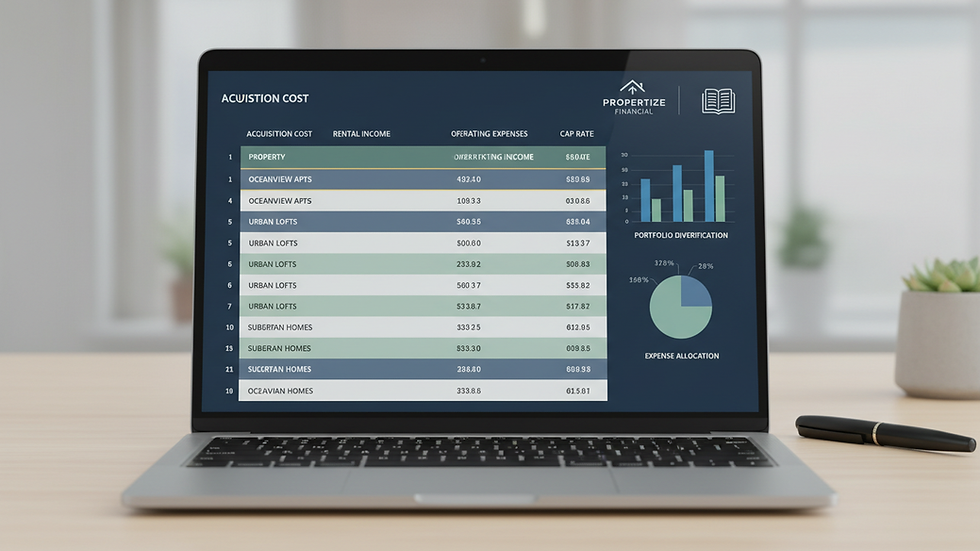
Streamlining Your Property Management Accounting Processes
To manage your properties efficiently, you need a system that simplifies bookkeeping and financial reporting. Here are some strategies to help you optimize your accounting workflow:
Automate Rent Collection and Payment Tracking
Use online payment platforms that automatically record rent payments. This reduces manual entry and helps you monitor late or missed payments instantly.
Implement a Consistent Chart of Accounts
Develop a standardized chart of accounts specific to your property types. This ensures consistency in categorizing income and expenses across all properties.
Schedule Regular Reconciliations
Reconcile your bank statements monthly to catch discrepancies early. This practice prevents errors from accumulating and keeps your books accurate.
Use Cloud-Based Accounting Software
Cloud solutions allow you to access your financial data anytime, anywhere. They also facilitate collaboration with accountants or bookkeepers, improving communication and efficiency.
Prepare Monthly Financial Reports
Generate profit and loss statements, balance sheets, and cash flow reports monthly. These reports provide insights into your portfolio’s performance and help you make informed decisions.
By adopting these strategies, you reduce the risk of financial mismanagement and free up time to focus on growing your property portfolio.

What is the 50% Rule in Rental Property?
The 50% rule is a simple guideline used by landlords and investors to estimate the operating expenses of a rental property. It states that roughly 50% of your rental income will go toward operating expenses, excluding mortgage payments.
Here’s how it works:
If your property generates $2,000 in monthly rent, expect about $1,000 to cover expenses like property taxes, insurance, maintenance, utilities, and management fees.
The remaining 50% is used for mortgage payments, reserves, and profit.
This rule helps you quickly assess whether a property is likely to be profitable before diving into detailed analysis. However, keep in mind that actual expenses can vary based on location, property type, and management style.
Using the 50% rule as a starting point can save you time and help you avoid overpaying for properties that won’t generate positive cash flow.
Best Practices for Expense Tracking and Tax Preparation
Accurate expense tracking is crucial for maximizing your tax deductions and maintaining financial health. Here are some tips to keep your records in order:
Keep all receipts and invoices: Use digital tools to scan and store documents securely.
Separate capital expenditures from repairs: Capital improvements are depreciated over time, while repairs are deductible in the year they occur.
Track mileage and travel expenses: If you visit properties regularly, keep a log of miles driven and related costs.
Consult a tax professional: Real estate tax laws can be complex. A specialist can help you identify deductions and credits you might miss.
Additionally, consider setting aside a portion of your rental income each month for taxes. This prevents surprises during tax season and ensures you have funds available when payments are due.
Leveraging Technology for Better Financial Management
Technology can be your best ally in managing property finances efficiently. Here are some tools and approaches to consider:
Property Management Software: Many platforms integrate accounting features, tenant management, and maintenance tracking in one place.
Accounting Software Integration: Connect your property management system with accounting software like QuickBooks to automate data flow.
Mobile Apps: Use apps to capture receipts, track expenses, and communicate with tenants on the go.
Cloud Storage: Store financial documents securely online for easy access and backup.
By embracing technology, you reduce manual errors, improve data accuracy, and gain real-time insights into your property portfolio’s financial health.
Building a Strong Financial Foundation for Your Properties
Efficient accounting is the backbone of successful property management. When you have clear, organized financial records, you can:
Make informed investment decisions
Identify cost-saving opportunities
Ensure compliance with tax regulations
Improve cash flow management
Build trust with partners and lenders
If you want to take your financial management to the next level, consider partnering with experts who specialize in property management accounting. They can provide tailored solutions that fit your unique needs and help you focus on growing your real estate portfolio with confidence.
By implementing these strategies, you’ll create a solid financial foundation that supports your long-term success in real estate.


Comments